

Dental Bridges in Edinburgh
Reliable, Natural-Looking Solutions to Replace Missing Teeth.
Replacing missing teeth is one of the most effective ways to restore confidence, improve your smile, and protect your long-term oral health. At Ardmillan Dental Practice in Merchiston, Edinburgh, we offer high-quality dental bridges designed to look natural, feel comfortable, and function just like your own teeth. Whether you’ve lost a tooth due to decay, injury, or gum disease, a dental bridge can close the gap and help you enjoy eating, speaking, and smiling without worry.
What Is a Dental Bridge?
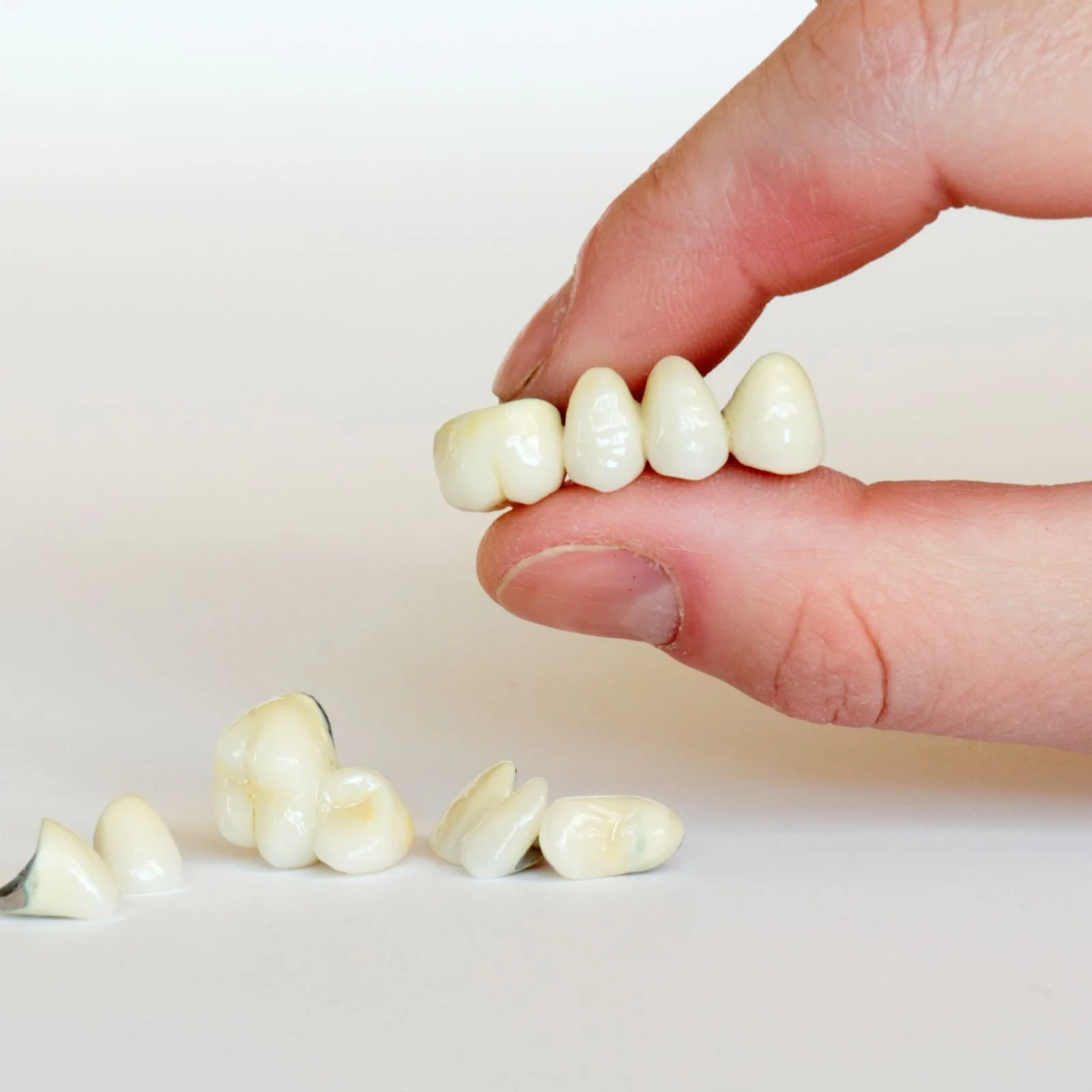
A dental bridge is a fixed restoration used to replace one or more missing teeth. It literally “bridges” the gap, using the neighbouring teeth or dental implants for support. A bridge is made up of:
Pontic – the replacement tooth (or teeth) that fill the gap
Abutment teeth – the supporting teeth on either side, which hold the bridge in place
Crowns or connectors – bonded to the abutment teeth for stability
Bridges are custom-made to match the shape, shade, and size of your natural teeth. Once fitted, they are firmly cemented in place and cannot be removed at home.
How do dental bridges help?
Dental bridges are used to replace a missing or extracted tooth or teeth. If you have lost teeth, then a dental bridge can make a dramatic difference, allowing you to enjoy a full range of foods again, restoring your smile and improving your speech. Benefits include:
Restores Your Smile - A gap can make you feel self-conscious. A bridge blends seamlessly with your natural teeth, giving you a complete, confident smile again.
Improves Chewing and Speech - Missing teeth can make certain foods difficult to chew and may even affect your speech. Bridges restore proper function.
Prevents Teeth from Shifting - When a tooth is missing, neighbouring teeth often drift into the space, causing misalignment and bite problems. A bridge keeps everything in place.
Helps Maintain Facial Structure - Tooth loss can gradually affect facial contours. Replacing missing teeth helps support your cheeks and jaw.
Fixed and Convenient - Unlike dentures, bridges are fixed in place. There’s no removing them at night or worrying about movement when eating or speaking.
Cost-Effective Alternative to Implants - For patients not ready for dental implants, bridges offer a more affordable restorative solution while still providing excellent stability.
How do dental bridges work?
When you come to Ardmillan Dental Practice, your dentist will assess the condition of your teeth and decide on the best treatment options to offer you. He or she will then talk through the choices that are available and advise on the best way forward. Dental bridges are often used to replace one or more teeth. They work by using the teeth on either side of gap that needs to be filled as anchors for new crowns and artificial teeth.
These new elements comprise the dental bridge. The base of a bridge is usually made from precious metal and the crowns and artificial teeth are constructed out of substances such as porcelain, which is also often used to cover the bridge base to give an attractive cosmetic finish. Dental bridges must be specially prepared to ensure a perfect fit and a natural look. They provide an excellent cosmetic solution that, with good oral care, can last for many years.
FAQs
-
The procedure itself should not be too painful however you may feel some discomfort the following few days after the procedure. If you feel any pain a week after the procedure you should consult your dentist.
-
Bridges usually last between 5 to 15 years. It will depend on your oral hygiene, diet and lifestyle choices. Regular check-ups will help make your bridges last longer.
-
You may need to avoid hot food and drinks for a few days after the procedure as well as crunchy and hard foods. You may feel some discomfort during this period when eating. Soft foods might be an easier option during this period. You should adjust to the new bridge within a week and can revert to your normal diet.